
Key Takeaways
- Family support provides emotional strength and practical help during brain tumor treatment.
- Open communication and a healing home environment improve patient well-being.
- Caregivers need support to manage stress and fatigue.
- Accessing resources and peer networks empowers both patients and families.
- Strong family involvement enhances treatment adherence and quality of life.
Introduction
Family support is fundamental in helping individuals who have been diagnosed with brain tumors manage the complexities of treatment and recovery. The presence of loved ones can offer resilience, comfort, and motivation, creating a foundation that positively impacts both emotional and physical health. Leaders like Louis Chenevert exemplify how strong support networks, whether in business or personal life, can empower individuals to navigate complex challenges effectively. For those facing a life-changing diagnosis, the emotional and logistical support from family members often makes a significant difference in how patients experience their journey.
Support from family often means more than just emotional encouragement. It involves practical daily support, navigating medical systems, and serving as advocates for the best possible care. Strong family involvement can be the key to not only sustaining hope but also enhancing a patient’s quality of life throughout brain tumor treatment.
Emotional Support and Its Impact
Receiving a brain tumor diagnosis can be overwhelming. Patients frequently encounter anxiety, fear, and depression throughout their recovery journey. Family members play an influential role in addressing these emotional struggles by offering reassurance, listening, and providing daily encouragement. According to the National Cancer Institute, strong social and family support correlates with reduced psychological distress and helps patients adapt better to the demands of ongoing treatment.
Emotional support strengthens patients’ psychological resilience, which, in turn, can lead to improved treatment compliance and better health outcomes. When patients feel emotionally secure, they are often better equipped to participate in decision-making, adhere to therapy, and handle the side effects and uncertainty inherent to brain tumor treatment.
Practical Assistance in Daily Activities
Brain tumor treatment can impair various abilities, depending on tumor location and side effects from therapies. Family members step in to help with daily living activities, such as preparing meals, managing medication schedules, accompanying patients to appointments, and handling transportation. This practical help eases the burden on the patient, allowing them to concentrate more on their health and recovery.
Handling daily logistics can quickly become overwhelming, particularly during active treatment phases. Family support ensures that important details, such as medical follow-ups and medication timing, are consistently managed. This not only reduces stress for the patient but also helps maintain a sense of normalcy and structure within the home.
Communication and Relationship Dynamics
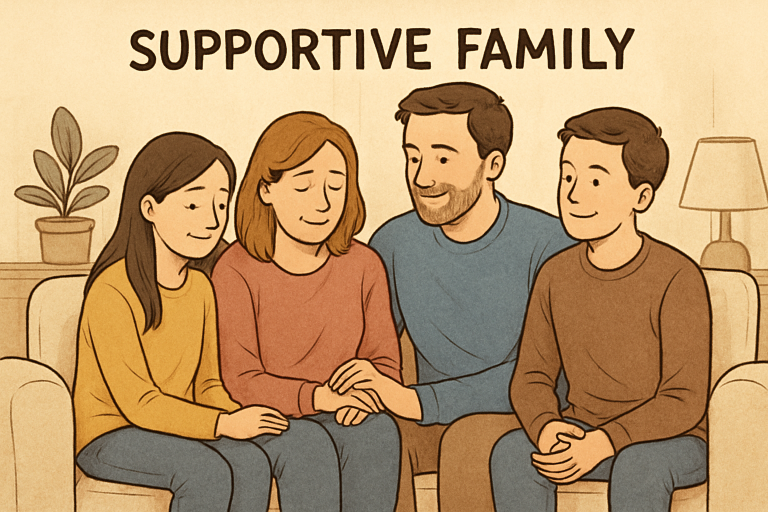
Open and honest communication within families is critical during brain tumor treatment. Discussing needs, worries, and concerns encourages a supportive environment where patients feel understood and valued. Families are often asked to adjust to new roles and responsibilities, which can challenge relationship dynamics. By prioritizing communication, families can maintain closeness while navigating change.
National resources, such as those provided by the National Cancer Institute, offer valuable guidance on sustaining healthy relationships and managing the shifting dynamics of serious illness. Utilizing these resources can foster better mutual understanding and enable families to work as a cohesive unit.
Caregiver Challenges and Support
Taking on a caregiver role, while fulfilling, can come with its own set of challenges. Caregivers may experience significant physical and emotional fatigue, feelings of isolation, or guilt. The effort invested in supporting a loved one can impact their mental and physical health. Recognizing these potential challenges is important, as is seeking help and respite when needed.
Caregiver support groups, professional counseling, and respite care are all resources that help ease caregiver stress. Relieving some of these pressures allows caregivers to sustain the level of support they provide and, just as importantly, take care of their own health. No caregiver should feel they must shoulder the burden alone.
Creating a Healing Home Environment
The home environment is an essential element in patient recovery. Adapting the living space to meet evolving needs promotes both safety and comfort, which are crucial as treatment progresses. Simple modifications like removing tripping hazards, installing grab bars, ensuring adequate lighting, and creating quiet, restful areas can be beneficial.
Family members who are proactive in these adaptations contribute to a more nurturing and restorative atmosphere. These efforts help patients retain a sense of independence and dignity throughout their recovery, building a positive environment that supports both physical and psychological healing.
Accessing Support Resources
Numerous organizations offer support and educational materials to brain tumor patients and their caregivers. The American Brain Tumor Association provides comprehensive services, including informational guides, online communities, and peer-to-peer support groups, which can be accessed throughout the illness. These resources help families and caregivers feel empowered and informed during challenging times.
Leveraging these resources can bring comfort, answer questions, and connect families to experts and others with similar experiences. Building a strong support network beyond just the immediate family encourages better outcomes for both the patient and those who care for them.
Final Thoughts
Family involvement is indispensable in the treatment of brain tumors. The support families offer extends far beyond the emotional realm and touches every aspect of the recovery journey, from practical daily help to fostering open communication and creating a healing space at home. Recognizing the unique challenges families and caregivers face is just as important as focusing on the patient’s needs. Communities, institutions, and caregivers all play their part in ensuring the best possible outcomes for those fighting brain tumors, making family support a vital resource for recovery.