Chemical peel treatments offer a methodical approach to skin resurfacing. A dermatologist applies a chemical solution to the skin, which causes the top layers to shed. This process reveals newer skin underneath, and it may appear smoother and less wrinkled. Here is more information on this treatment, the issues it addresses, what the process involves, and how you can prepare:
What Is a Chemical Peel?
A chemical peel is a skin-resurfacing procedure that uses specific acid solutions. Practitioners apply these solutions directly to the targeted area, and the chemicals initiate an exfoliation process. The controlled application removes damaged skin cells over time. New skin layers eventually form, and they typically exhibit an improved texture.
What Issues Does It Address?
Dermatologists utilize chemical peels to treat a variety of skin conditions. Patients may seek this treatment to reduce the appearance of fine lines under the eyes, or they use it to manage wrinkles around the mouth. The procedure addresses mild scarring from acne and targets certain types of hyperpigmentation.
Sun damage may cause uneven skin tone, and chemical peels help correct these specific color variations. Age spots may diminish after a targeted application, with freckles becoming less prominent. Medical professionals tailor the chemical concentration to the specific issue. This helps the results align with the patient’s clinical needs.
What Does the Process Involve?
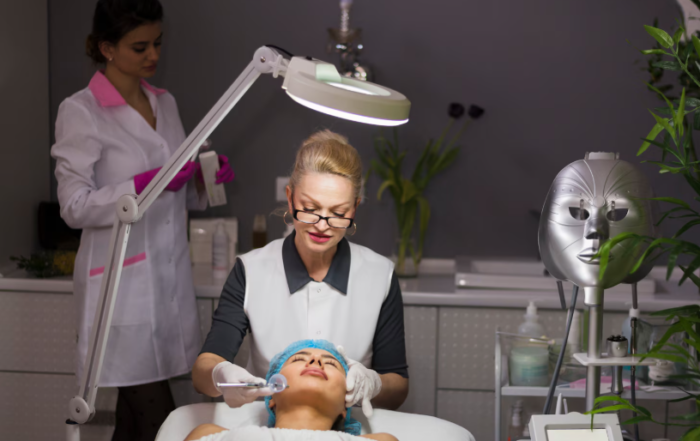
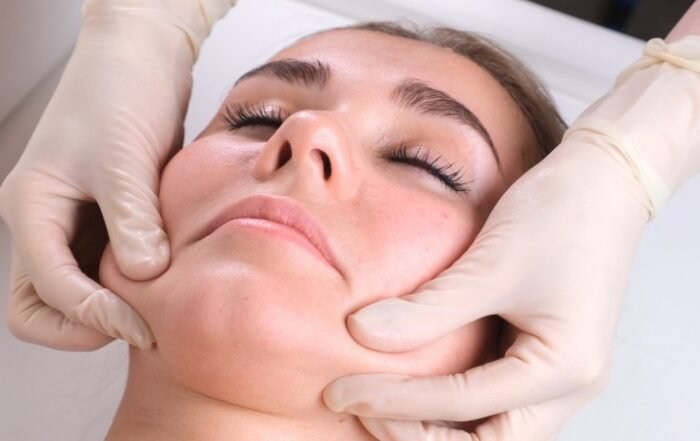
The clinical process begins with a thorough cleansing of the skin. A practitioner then applies the chemical solution, and patients may experience a mild stinging sensation during this phase. The solution remains on the skin for a precise duration. When the specified time is reached, the provider neutralizes the acid. They may also thoroughly wash the treated area.
The depth of the peel dictates the specific recovery timeline. Light peels require minimal downtime, but deep peels necessitate an extended healing period. Patients may notice peeling and redness in the days following the appointment. The skin gradually sheds the outer layers, with a fresh epidermal layer replacing the old cells.
What Are the Benefits?
Chemical peels offer measurable improvements to the skin’s surface and overall texture. Exfoliation removes dead cells, promoting a more uniform skin tone. Patients may observe a reduction in visible pores. The new skin layer may reflect light more evenly, and this creates a smoother visual appearance.
Regular treatments can provide long-term management for chronic skin concerns like acne. The chemical agents unclog pores effectively, and they may reduce future breakouts. Deep peels offer more dramatic structural improvements to the skin. These intensive treatments stimulate collagen production and improve skin elasticity.
How Can You Prepare?
Preparation begins with a formal consultation with a licensed dermatologist. The provider reviews the patient’s medical history, and they examine the skin’s current condition. The doctor discusses expectations and recommends a specific peel depth based on the findings. Following recommended clinical guidelines helps minimize complications and promotes healing.
Know What To Expect
Chemical peels provide an effective method for skin rejuvenation. Understanding the procedure’s underlying mechanics prepares patients for the recovery process. Proper preparation minimizes potential risks, and careful aftercare sustains the clinical outcomes. Schedule a consultation with a certified dermatologist today and discover which peel depth aligns with your skin profile.