When patients explore modern fertility treatments, they may review multiple specialized surgical options for their growing families. A tubal reversal directly repairs damaged fallopian tubes after a previous ligation procedure. This precise outpatient surgery reconnects the separated reproductive pathways for the female patient. Here is more information about the differences between tubal reversals and in vitro fertilization (IVF) treatments:
Benefits of Tubal Reversals
Many individuals choose a reversal surgery, and they choose this practical opportunity for natural conception at home. Because the medical operation repairs the specific anatomy, couples try to conceive without extra clinic visits. This straightforward procedure bypasses the need for heavy synthetic fertility medications. You can avoid the daily hormonal injections routinely associated with other reproductive assistance methods.
Reversal surgery generally takes place in a standard outpatient medical facility under general anesthesia. You rest at home after the operation, and you resume most normal daily activities shortly thereafter. While initial recovery takes a few full weeks, most patients manage mild pain with basic oral medications. The one-time surgical intervention effectively restores normal physiological function to the reproductive system.
Benefits of IVF Treatment
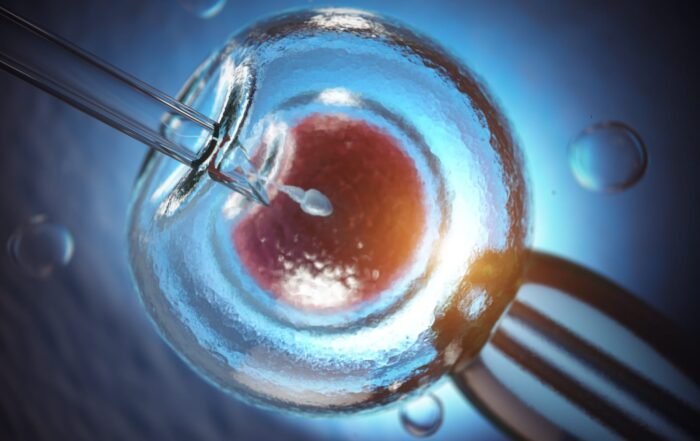
IVF provides growing families with a different clinical path to pregnancy. If fallopian tubes remain permanently blocked, IVF entirely bypasses this physical barrier during the treatment. The laboratory team handles actual fertilization, and the doctor places the resulting embryo directly into the uterus. This highly controlled medical process offers several distinct clinical advantages for many prospective parents.
- Laboratory control limits unknown variables during the sensitive early embryo development stage.
- Testing screens the embryos for specific inherited medical conditions beforehand.
- Doctors frequently retrieve multiple viable eggs during a single monitored clinical cycle.
- Treatment effectively bypasses severe male infertility factors through direct sperm injection.
- Surplus embryos offer future pregnancy options without repeating the invasive egg retrieval.
Ways They Differ
While tubal reversal relies heavily on natural human biology, IVF happens in a highly controlled laboratory. IVF involves very frequent clinical monitoring visits, but a reversal typically needs only a single outpatient surgical appointment. Daily time commitments vary significantly between these two entirely distinct reproductive paths. The overall expected treatment timelines look different for each respective fertility patient.
IVF targets one specific menstrual cycle at a time, and patients repeat the full clinical process later. A tubal reversal creates a lasting physical change to your internal reproductive organs. Since the fallopian tubes stay physically open, patients attempt pregnancy over numerous consecutive monthly cycles. You carefully plan each independent IVF attempt with your designated medical team in advance.
Before you select a specific path, a fertility specialist carefully reviews your complete personal medical history. An active IVF cycle typically demands frequent morning blood tests during the active treatment phase. Reversal patients skip daily synthetic hormones, yet IVF absolutely requires a strict daily medication schedule.
Schedule a Tubal Reversal
A dedicated medical staff offers comprehensive consultations to review your varied fertility options. Call a fertility clinic today and schedule your private introductory consultation appointment to address these issues. Once you fully understand the available medical options, you can easily map out your family-building strategy.