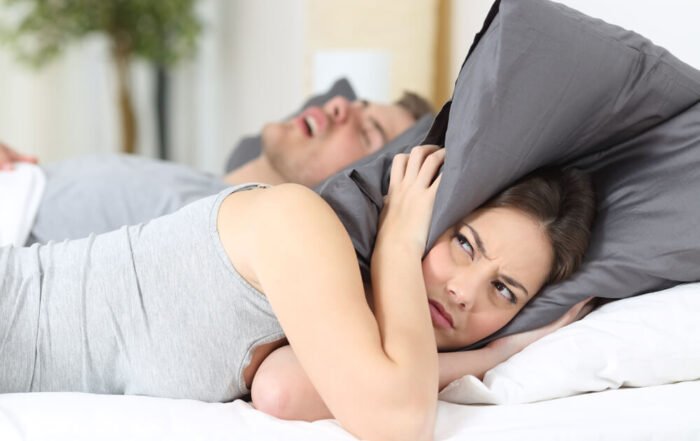
Many people snore occasionally, but persistent snoring sometimes indicates an underlying health issue. While snoring itself isn’t a sleep disorder, it is a primary symptom of obstructive sleep apnea, which is a disorder. Understanding the distinction between benign snoring and a sleep disorder helps individuals seek appropriate evaluations and medical interventions. A snoring doctor, often called a sleep specialist, can evaluate and manage sleep-related conditions, including chronic snoring and sleep apnea. Here’s information on the causes of snoring and how specialists determine what treatments are appropriate:
Causes of Snoring
Snoring occurs when air flows past relaxed tissues in the throat, causing these tissues to vibrate as someone breathes. As tissues relax during deep sleep cycles, the sound of the vibration usually intensifies. Various factors contribute to this airway narrowing, including:
- Nasal Congestion
- Anatomical Variations (Such as an Enlarged Uvula)
- Alcohol Consumption Near Bedtime
Snoring is not always due to a sleeping condition,as many individuals experience primary snoring without any associated sleep disorder. Primary snoring does not involve the breathing pauses or daytime fatigue characteristic of sleep apnea. While not always caused by a disorder, snoring loudly and frequently warrants a medical visit with a snoring doctor to rule out other respiratory factors.
Sleep apnea is a more complex sleep condition where breathing repeatedly stops and starts during sleep. Obstructive sleep apnea, the most common type, happens when throat muscles relax excessively and block the airway completely. Sleep apnea causes breathing interruptions, and these pauses often cause loud gasping sounds as the body works to resume airflow.
Diagnosis Process for Sleep Apnea
Healthcare providers rely on a systematic approach to identify the factors that are causing snoring. A thorough medical history review and a physical examination of the nose, mouth, and throat usually begin the evaluation. Doctors listen carefully to patient reports regarding sleep habits and daytime fatigue levels. To confirm a diagnosis, sleep specialists often recommend a sleep study, known as polysomnography.
Patients can undergo a polysomnography test overnight in a specialized sleep center, or they can use a portable monitoring device at home. During an in-lab study, sensors record brain waves, blood oxygen levels, heart rate, and breathing patterns. Home monitors focus primarily on airflow and oxygen saturation. These measurements help professionals determine the exact frequency of breathing interruptions, allowing doctors to distinguish between snoring and sleep apnea.
Treatments for Sleep Apnea
For more mild cases, a snoring doctor may focus on conservative lifestyle changes before recommending advanced interventions. Managing sleep apnea involves restoring normal breathing patterns during sleep. Weight management, altering sleep positions to avoid sleeping on the back, and avoiding alcohol before bed can reduce airway obstruction. When managing moderate to severe cases, medical devices provide consistent airway support.
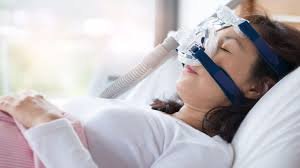
Continuous positive airway pressure (CPAP) therapy is a standard intervention for sleep apnea disorders. A CPAP machine delivers pressurized air through a mask to keep the upper airway open, preventing sleep apnea and snoring. Regular adherence to this therapy greatly improves nighttime breathing and daytime alertness for many individuals. Combining lifestyle changes with advanced treatment options is common, as comprehensive care plans are more holistic to benefit an individual’s overall health.
Some people may need custom-fitted oral appliances, which support oral structures and tissues during sleep. These appliances are designed by dental specialists to reposition the lower jaw or tongue to maintain an open airway. Doctors may recommend surgical procedures in some cases, but most patients manage their condition effectively with non-invasive therapies.
Visit a Snoring Doctor for a Personal Assessment
Healthy sleep hygiene is fundamental for overall health, and addressing nighttime breathing concerns supports more restorative rest long-term. Because symptoms overlap between simple snoring and sleep apnea, a professional evaluation can determine what is causing you to snore. A qualified sleep specialist or an ear, nose, and throat doctor can accurately assess your airway function and anatomy. If you experience loud snoring or excessive daytime tiredness, schedule a consultation with a healthcare provider. Taking this proactive step helps you receive personalized care for your specific health needs.