Continuous positive airway pressure (CPAP) clinics offer specialized care for individuals experiencing nighttime breathing disruptions, and staff address specific challenges. Because untreated sleep apnea causes daytime fatigue, medical professionals recommend seeking clinical support. Patients receive medical guidance directly, and they gain access to therapy devices. Here is more information on why you should visit a CPAP clinic:
Accurate Diagnosis
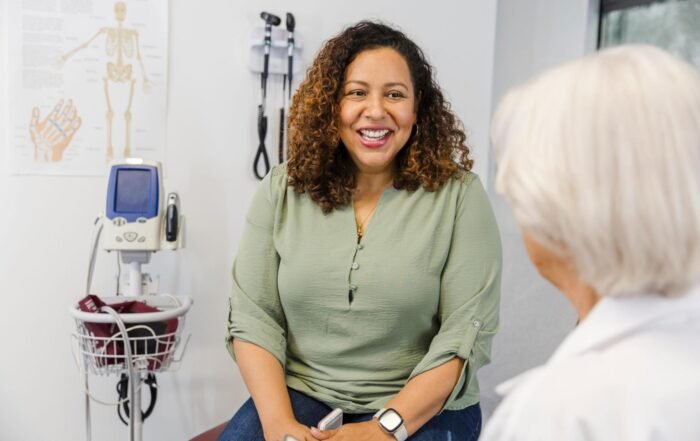
When a medical doctor suspects a sleep disorder, they refer the patient to a clinic. Sleep specialists conduct precise nighttime breathing tests within controlled medical environments. These tests measure resting blood oxygen levels, and they monitor heart rates during sleep. While home tests exist today, clinical environments provide more detailed physiological data.
Medical technicians review the sleep test results carefully, and doctors discuss the findings with you. If the collected data confirms sleep apnea, the CPAP clinic creates a precise treatment plan. Accurate medical data prevents the application of ineffective treatment strategies. You ask questions during the visit, and the specialist explains the diagnostic report clearly.
Appropriate Equipment
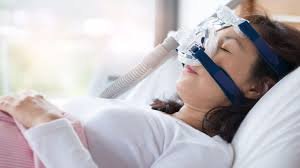
Modern breathing therapy machines come in many different mechanical models and physical designs. Trained technicians measure your face precisely, and they select a correctly sized mask for your structure. Since every patient has unique facial features, clinics stock various mask styles and sizes. A properly fitted mask effectively prevents skin irritation during your nightly therapy sessions.
While some users like full-face masks, others prefer wearing lightweight nasal pillows for sleeping. You physically test the active machine airflow, and the technician carefully adjusts the headgear straps. Clinic staff explain the specific technical features of each available breathing therapy device. After you wear the medical mask, the technician thoroughly checks for any pressurized air leaks.
The machine delivers continuous pressurized air, and the steady air pressure keeps your upper airway open. The correct equipment choices typically make nightly breathing therapy much more comfortable for sleep apnea patients. Unless the medical mask fits securely against the facial skin, the breathing therapy will not function correctly.
Customized Care
Specific medical treatment plans typically vary for each individual person experiencing disruptive breathing difficulties at night. After your nighttime breathing therapy begins, clinics offer ongoing support services directly to returning patients. Sleep specialists directly adjust the air pressure settings carefully, and they schedule routine follow-up appointments. Whenever you experience therapy issues, these clinical services address specific patient needs:
- Mask fitting adjustments for enhanced comfort
- Machine cleaning tutorials for equipment hygiene
- Air pressure testing for breathing efficiency
- Side effect management for dry mouth issues
- Tube replacement scheduling for device performance
- Guidance for minor machine errors
Continual Monitoring
As you consistently use the provided therapy machine at home, the clinic tracks your equipment usage. Remote technical monitoring allows healthcare professionals to review your nightly data, and they identify patterns that might affect your progress. If issues with mask fit or air pressure arise, support teams reach out with practical guidance to help you address concerns while maintaining your therapy schedule.
Visit a CPAP Clinic
Sleep apnea clinics provide comprehensive services that address the unique needs of individuals managing this condition. From accurate diagnosis to ongoing monitoring, these clinics offer a structured approach to therapy. By visiting a clinic, you gain access to professional expertise, tailored equipment, and continuous support. Schedule an appointment with a CPAP clinic today.